Pentecost University
  • Apply Online
  • About
    • Vision, Mission & Values
    • The Vice-Chancellor
    • Administration
    • Pentecost University Council
    • Stakeholders
      • The Church of Pentecost
      • The Church of Pentecost Chairman Education Foundation (COPCEF)
      • Alumni
      • Parents and Guardians
      • Donors
      • Employers
      • Hiring Our Facilities
    • University Anthem
    • Collaborations
      • others
      • CIPS
    • Contact
      • Public Relations & Media Unit
      • Directions to Campus
      • Schedule a Visit
      • Staff Directory
      • Helplines
      • Contact Us
  • Admissions
    • Entry Requirements
    • Application Procedure
    • Application Forms
    • Tuition Fees and Student Online Payment
    • Mature Applicants
  • ACADEMICS
    • Undergraduate Programmes
    • Postgraduate Studies & Research
      • Message from the Director
      • Admission Requirements
      • Postgraduate Studies & Research Programmes
      • Tuition Fees
      • Sessions
      • Frequently Asked Questions
    • College of Foundation and Professional Studies (COFOPS)
    • Pentecost Centre for the study of Unreached People Groups (PCUPGs), Africa
    • Centre for Strategic Philanthropy & Social Investment (CESPSI)
    • Capacity Building, Corporate Engagement & Innovation Unit (CCI-Unit)
    • Our Library
      • Welcome to our Library
      • About Library
      • Library Catalogue
      • Library Help
      • Research
        • PentVars Business Journal
        • Students’ Research & Project Work
        • Staff Research & Publications
      • E-Resources
      • Online Public Access Catalogue (OPAC)
    • Faculties
      • International Digital Centre
      • Faculty of Law (LL.B)
      • School of Theology, Mission & Leadership (STML)
      • Faculty of Engineering Science and Computing (FESAC)
      • Faculty of Business Administration (FBA)
      • Faculty of Health and Allied Sciences (FHAS)
    • Academic Calendar
    • Sessions/Schools
  • Student Life
    • Scholarship
    • International
      • Students Experience, Diversity and International Relations (SEDIR) Office
      • Application Process
      • Tuition Fees
      • Entry Requirements
      • Immigration Issues & Permits
      • Student Life
      • Partnerships
      • Frequently Asked Questions
      • Contact Us
    • Dean of Students
    • The Students’ Representative Council (SRC)
    • Chaplaincy
    • Counselling Unit
    • University Assembly
    • Mentorship
    • Lodging
    • Clubs and Societies
    • Sports and Entertainment
    • Photo Gallery
  • News
  • Vacancies
  • Apply Online
  • About
    • Vision, Mission & Values
    • The Vice-Chancellor
    • Administration
    • Pentecost University Council
    • Stakeholders
      • The Church of Pentecost
      • The Church of Pentecost Chairman Education Foundation (COPCEF)
      • Alumni
      • Parents and Guardians
      • Donors
      • Employers
      • Hiring Our Facilities
    • University Anthem
    • Collaborations
      • others
      • CIPS
    • Contact
      • Public Relations & Media Unit
      • Directions to Campus
      • Schedule a Visit
      • Staff Directory
      • Helplines
      • Contact Us
  • Admissions
    • Entry Requirements
    • Application Procedure
    • Application Forms
    • Tuition Fees and Student Online Payment
    • Mature Applicants
  • ACADEMICS
    • Undergraduate Programmes
    • Postgraduate Studies & Research
      • Message from the Director
      • Admission Requirements
      • Postgraduate Studies & Research Programmes
      • Tuition Fees
      • Sessions
      • Frequently Asked Questions
    • College of Foundation and Professional Studies (COFOPS)
    • Pentecost Centre for the study of Unreached People Groups (PCUPGs), Africa
    • Centre for Strategic Philanthropy & Social Investment (CESPSI)
    • Capacity Building, Corporate Engagement & Innovation Unit (CCI-Unit)
    • Our Library
      • Welcome to our Library
      • About Library
      • Library Catalogue
      • Library Help
      • Research
        • PentVars Business Journal
        • Students’ Research & Project Work
        • Staff Research & Publications
      • E-Resources
      • Online Public Access Catalogue (OPAC)
    • Faculties
      • International Digital Centre
      • Faculty of Law (LL.B)
      • School of Theology, Mission & Leadership (STML)
      • Faculty of Engineering Science and Computing (FESAC)
      • Faculty of Business Administration (FBA)
      • Faculty of Health and Allied Sciences (FHAS)
    • Academic Calendar
    • Sessions/Schools
  • Student Life
    • Scholarship
    • International
      • Students Experience, Diversity and International Relations (SEDIR) Office
      • Application Process
      • Tuition Fees
      • Entry Requirements
      • Immigration Issues & Permits
      • Student Life
      • Partnerships
      • Frequently Asked Questions
      • Contact Us
    • Dean of Students
    • The Students’ Representative Council (SRC)
    • Chaplaincy
    • Counselling Unit
    • University Assembly
    • Mentorship
    • Lodging
    • Clubs and Societies
    • Sports and Entertainment
    • Photo Gallery
  • News
  • Vacancies

Health

  • Home
  • News
  • Health
  • Elder Abuse in a COVID-19 Era

Elder Abuse in a COVID-19 Era
  • Posted by pentvars
  • Categories Health
  • Date Jun 9, 2020
  • Comments 9,588 comments

It can sometimes be hard to imagine that anyone would want to harm an elderly person, but unfortunately, elder abuse does occur. With a growing global population of elderly people and as longevity increases, abuse of the elderly is an increasing and serious problem that affects the health of the elderly and their human rights. It is estimated that the global population of those aged 60 years and older will reach about 1.2 billion by the year 2025 and more than 2 billion in 2050 due to improved healthcare (UNDESA, 2013). In Ghana, the elderly population is also projected to grow by 2.5 million by 2025 to 6 million by 2050 (Ngnenbe, 2015).

The World Health Organization (WHO) report on Elder abuse says, it is a single or repeated act, or lack of appropriate action, occurring within any relationship where there is an expectation of trust, which causes harm or distress to an older person. (WHO, EA, 2018). Types of abuse includes physical abuse, psychological or emotional abuse, sexual abuse, abandonment or neglect and financial or material fraud or any combination of these (WHO, EA, 2018). Types of abusers may include family members, informal and formal caregivers and acquaintances (Yon et al., 2018). Physical elder abuse occurs when force is used against an elder, resulting in some type of bodily pain, impairment or injury. In a hospital or nursing home setting, this type of abuse includes hitting, smacking and shoving. It also extends to physical restraints; drug restraints and confinement being used inappropriately (WHO, EA, 2017). Psychological and emotional abuse occurs when elderly patients are treated or spoken to in ways that cause them trauma or emotional pain. Likewise, it reflects any form of degrading or humiliating conduct such as instilling fear, mockery name calling and isolation of an older person (MacNeil etal., 2010). Sexual abuse is any kind of carnal contact that is conducted without consent. This may include sensual touching, forcing an elderly person to witness or watch sexual acts or pornographic materials or forcing the elder to undress against his or her will (Pillemer, Burnes, Riffin, & Lachs, 2016). Healthcare fraud occurs when medical professionals, including doctors and nurses, take advantage of elderly persons. Some of these behaviors may include: charging for procedures without performing them, providing unnecessary referrals or prescriptions, double-billing or charging more for services, providing too many or not enough medications, and providing treatments or medications for medical conditions that are fraudulent in nature (WHO, 2018; Mudiare 2013). Effects of mishandling of the aged can lead to bodily injuries ranging from minor scratches and bruises to broken bones and disabling injuries. For much older elders, the consequences of mishandling can lead to physical deformities, delayed convalescence or even death (Cohen, Halevy-Levin, & Gagin, 2010).

Current global efforts in combating elder abuse include knowing the symptoms of elder abuse which comprise bedsores, bruises, bodily injuries, recently lost weight, dehydration, poor hygiene, depression, anxiety, easily agitated and periodic crying; saying something if you suspect something and a more contemporary approach by spreading the word via social media platforms. The race is on throughout the world to develop COVID-19 vaccines and therapeutics and end a pandemic that threatens global health, especially the aged. Ageism has virtually coloured every discussion in this COVID-19 era. The WHO defines ageism as the stereotyping, prejudice, and discrimination against people on the basis of their increasing age (WHO, 2019). Ageism is pervasive, harmful, and arguably the primary vice underlying elder abuse. From the beginning, coronavirus has inspired ageist thoughts and comments given its partiality towards harming older adults. Adults aged 60 years and older and those with preexisting medical conditions, e.g. heart diseases, lung diseases, diabetes and cancer are more likely to have severe to deadly COVID-19 infections.

In these times, one precautionary measure against the infection is social distancing. This may be tough for older adults who cherish time spent with their families and friends. Faith communities are also a big part of older adults’ social lives and these have all been closed in this period. Social distancing doesn’t have to be isolation and loneliness. The WHO recognizing this, adapted the term to physical distancing. Social distancing has the potential to cause psychological or emotional abuse and neglect or abandonment and this can have a negative impact on older people’s immunity and mental health (Tsang et al., 2020). Thus, practicing physical distancing should not lead to social distancing and isolation particularly for the aged. Relatedly, in effect to promote social distancing, the possibility for elder abuse is all the more heightened, since perpetrators of abuse can be family members and friends. Additionally, with the introduction of caregivers, family members, friends and children of the aged working from home in this time, the possibility of unbuffered time together may contribute to circumstances leading to incidents of abuse. If the pandemic lingers on, physical distancing, social isolation and loneliness in old age will undoubtedly intensify, increasing elder abuse – physical abuse, psychological or emotional abuse and neglect or abandonment.

The World Elder Abuse Awareness Day (WEAAD) is an annual international UN observance day celebrated to raise awareness of elder abuse and ways to prevent it. It encourages countries, regions, communities and the media to run events to highlight the awareness of elder abuse, the dangers of it and what can be done to prevent it. It is commemorated on the 15th of June each year. We celebrate it this year by this editorial to the world; If you see something, say something.

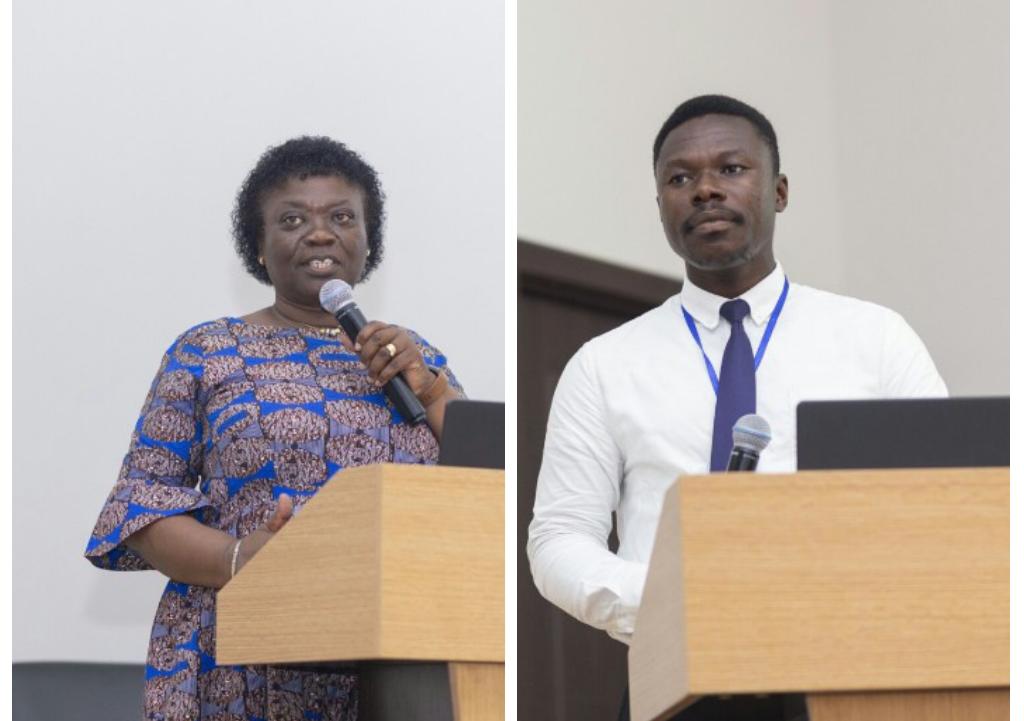
Article by Dr. Mrs. Abigail Kyei and Mr. Reginald Arthur-Mensah Jnr (Department of Nursing and Midwifery, Pentecost University)

Tag:abuse, elder

  • Share:
pentvars

Previous post

Rector Attends General Council Meeting of The Church of Pentecost
Jun 9, 2020

Next post

Pentecost University Lecturer Gets Top International Appointment
Jul 3, 2020

You may also like

  • 316043023_5858131924253239_3339842083728997655_n
    Pentecost University Launches Mortuary and Funeral Services Studies
    22 November, 2022

  • WhatsApp Image 2021-08-19 at 1.11.41 PM
    The Faculty of Health and Allied Sciences Holds its Maiden Seminar Series; the First in Pentecost University
    23 August, 2021
  • Breast Cancer Story
    The PINK MONTH, THE PINK MAN; Breast Cancer Awareness in Men – Dr. Kyei & Mr. Arthur-Mensah Jnr.
    13 October, 2020

Leave A Reply

Your email address will not be published. Required fields are marked *

Search

Quick Links

  • E-Learning
  • IT Certifications
  • Email
  • E-Library
  • E-Portal
  • Resources
  • Photo Gallery
  • Staff Directory

Latest News

Pentecost University Expands Community Impact Through Innovation Hub Partnership with Alex Nerda Centre
02Feb2026
Pentecost University and Vice-Chancellor Honoured with Dual Awards
01Oct2025

Admissions

  • Application Procedure
  • Academic Calendar
  • Tuition Fees and Student Online Payment
  • Application Forms
  • Entry Requirements
  • Student Online Payment

Online Services

  • Parents Portal
  • E-Learning
  • E-Library
  • Undergradraduate ePortal
  • Postgraduate ePortal
  • IDC – Engineering Programme
  • Online Public Access Catalogue (OPAC)

Quick Links

  • Alumni
  • Our Library
  • Photo Gallery
  • The Church of Pentecost
  • Pentvars Journal
  • FAQs
  • Staff Directory

Contact

P. O. Box KN 1739
Kaneshie, Accra
info@pentvars.edu.gh
+233283094284/+233302417057/8
Pentecost University College campus location

© 2021 Pentecost University. All Rights Reserved Developed By: Samuel Armah (Alumni - 2011) & Emmanuel Assimeku (Alumni - 2012)

Sponsored By: Engisys Limited